Wednesday, June 21, 2017

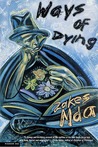
Ways of Dying by Zakes Mda

Ways of Dying (Toloki #1)Ways of Dying by Zakes Mda
My rating: 3 of 5 stars

During South Africa's anti-apartheid movement people died. Everyday mothers lost sons, fathers lost daughters, wives lost husbands, and children lost parents. This novel is set during the last years of the liberation movement when negotiations for freedom were punctuated with weekly battles that included actors from all sides. The main character, Toloki, has taken it upon himself to become a professional mourner. He creates special sounds to lament the death of his employers' loved ones and adopts an ascetic lifestyle he believes suits his profession.

My favorite part of this book is the mood the writer creates. As a reader I felt the looming sense of death and loss that pervaded people's lives. As inhabitants of a shantytown or "settlement," residents had to deal with the frequent demolition of their houses, the violent invasion of hostel-dwellers, and the senseless murder of adults and children. Theirs was a life of uncertainty and danger.

Mda narrates his novel from the perspective of the community (often referred to as "they") who has access to indigenous knowledge, and the main character's inner feelings. It was refreshing to read a novel set in a community that existed on the margins of society. It gave a human face to people so often described as "squatters."I give this book 3.5 out of 5 stars.


View all my reviews

Monday, June 12, 2017

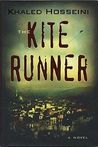
The Kite Runner by Khaled Hosseini

The Kite RunnerThe Kite Runner by Khaled Hosseini
My rating: 5 of 5 stars

This novel was a terrific read. It was the kind of work that stuns you and stays with you long after you've read it. The novel opens by introducing us to two boys who are friends. Amir, the main character, is from a wealthy family; and Hassan, who along with his father, is a servant of Amir's family. The book is set in Afghanistan, before the Russian invasion and takeover by the Taliban. The author introduces us to a part of the culture that, no doubt, many westerners such as myself did not know about: competitive Kite flying.

My favorite part of this novel is the way the author explores how the power differential between the two boys plays out in their everyday lives and in their relationship with each other. The story he tells is both painful and provocative. It left me asking several questions: What would I do if I were Amir? Why was Hassan was so benevolent? Why are poor/powerless people admired for their benevolence instead of demanding justice?

My rating for this book is 5 out of 5 stars. The prose was beautiful -- not as many similes and metaphors as other works that I like, but the author's powers of description are top rate. I could feel the cuts in my hand caused by the force of the wind pulling on the kite; the anxiety of a child who wants the validation of a parent; and the pain of a servant whose loyalty is betrayed by his master.


View all my reviews